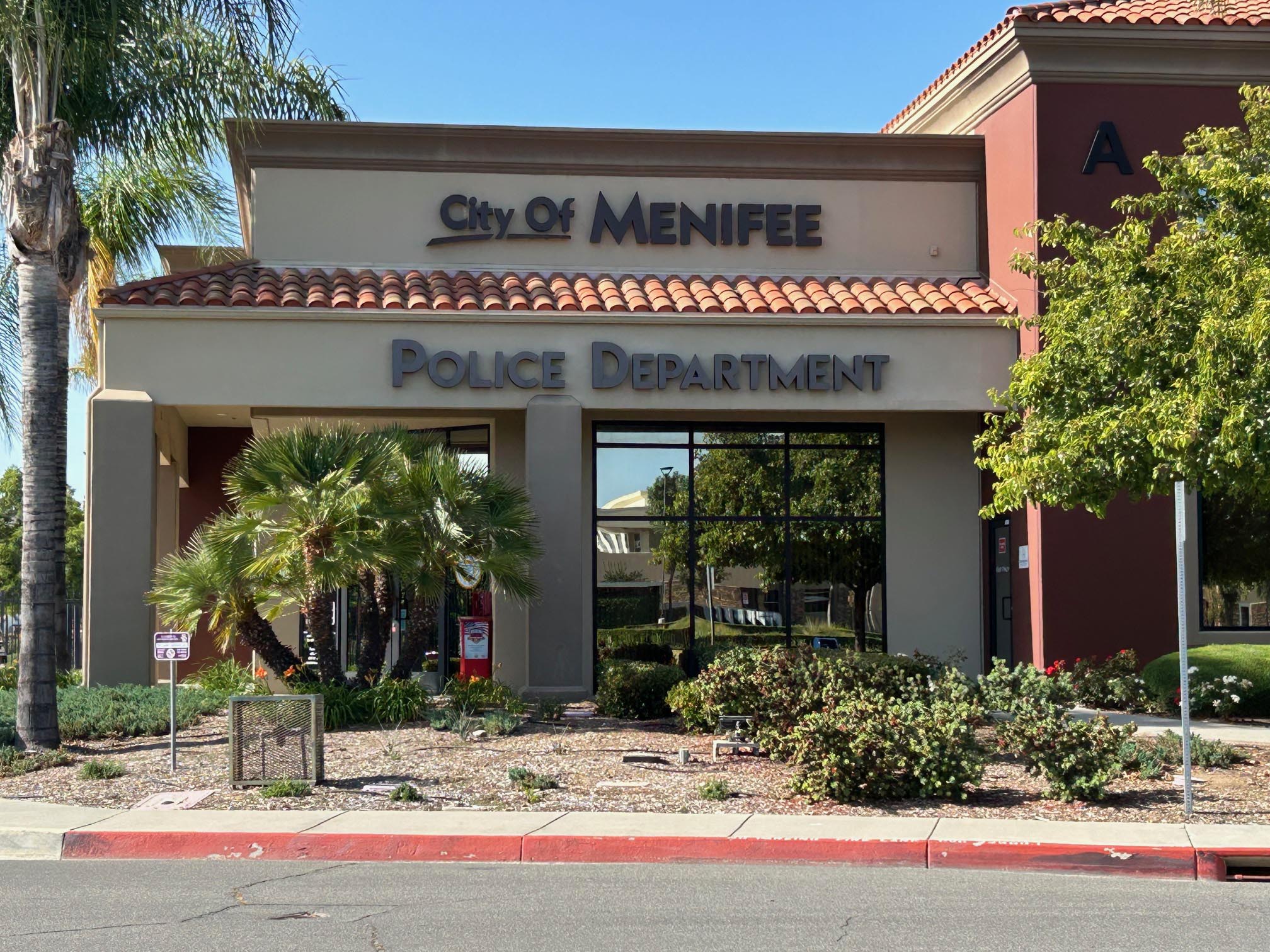




As automatic license plate readers face growing privacy concerns across the country, Menifee Police Chief Dave Gutierrez said Flock cameras have become an important tool for Menifee police, giving detectives leads they might not have otherwise had.
Gutierrez said the department’s crime analyst has linked more than 120 arrests over the past two to three years to Flock cameras. Those arrests involved stolen vehicles, felony suspects and people connected to recent crimes.


Flock cameras are automatic license plate readers that capture still images of vehicles traveling on public roads. Gutierrez said the cameras do not record video or use facial recognition. They are designed to help investigators identify vehicles connected to crimes.
“It really is about public safety and holding people accountable for criminal activity,” Gutierrez said.
When a vehicle that is associated with a stolen vehicle, an at-risk missing person, or another subject of a criminal investigation passes one of the cameras, officers receive an alert. Detectives can also search the system after crimes are committed, such as burglaries or robberies, to identify vehicles that were in the area.
The system uses artificial intelligence (AI) to search for vehicle descriptions, such as color, type and partial license plate numbers. Gutierrez said that can help investigators when witnesses only remember small details.
The system can also help investigators search for bicycles. For example, if a witness reports a suspect fleeing on a bike, officers can search for bikes that passed a specific camera at a specific time and use those images as another investigative lead.
Gutierrez said the alerts don’t automatically lead to arrests.
“Even if there’s an alert on these cameras, that in and of itself is not enough for us to arrest somebody,” he said. “We have to do our own law enforcement follow-up.”
The department currently has nearly 30 Flock cameras throughout Menifee. Gutierrez said they’re generally placed near entrances and exits to the city, along major roadways and in areas identified through crime trends. Patrol officers recommend locations based on what they’re seeing in the field, and cameras have also been installed in areas with recurring illegal dumping.
Although the technology has raised privacy concerns about how systems collect, store and share information on drivers, Gutierrez said the department has safeguards in place to ensure the technology is used responsibly.
Camera data is automatically deleted after 30 days unless it’s needed for an active criminal investigation. Gutierrez said the Menifee Police Department owns the data and that Flock cannot share it with anyone else under the department’s contract. The department shares data only with California state and local law enforcement agencies and does not share Flock data with federal immigration authorities.
Only trained, authorized users can access the system, Gutierrez said. Each user has a unique login, every search must be tied to a case or event number, and the department keeps an audit trail showing who accessed the system and why.
“There’s no random surveillance that’s going on,” Gutierrez said. “It has to be a legitimate law enforcement need to be able to access the system.”
Gutierrez said the department views the cameras as another tool to help keep Menifee safe.
“What I’m more interested in is how we can solve crimes,” he said. “I truly believe that these have helped us solve crimes, so we’re protecting and getting justice for victims.”